


Environmentally Conscious Behavior on Board
Why protecting the environment and the sea is so important
The fascination for the sea not only brings unforgettable sailing experiences – it also comes with responsibility.
As sailors, we operate in a particularly sensitive ecosystem that is threatened in many ways: by pollution, overfishing, climate change and reckless mass tourism. But if you sail with your eyes open, you can make a valuable contribution to protecting the oceans through prudent behavior – often with simple means.
Our oceans cover more than 70 % of the Earth’s surface, produce more than half of the oxygen we breathe and regulate the global climate. At the same time, they are a habitat for millions of species – from tiny plankton to majestic whales. But plastic waste, oil, noise and environmental toxins are threatening this balance. Diversity is shrinking, water temperatures are rising and many marine regions are already considered to be heavily polluted.
As sailors, we have a special connection to the sea – and the chance to actively do something to protect it.
Understanding Ecological Interrelationships: Small Causes, Big Effects in Coastal Waters
The marine ecosystem is extremely sensitive to localized impacts that often result unintentionally from water sports. A prime example is the Posidonia seagrass meadows (Posidonia oceanica), which are also known as the “lungs of the Mediterranean.” They produce up to 14 liters of oxygen per square meter daily and sequester enormous amounts of carbon. However, since Posidonia grows only about 1 centimeter per year, a carelessly dropped anchor chain destroys habitats that take decades to regenerate.
The impact of everyday substances on board is also underestimated: Conventional sunscreens often contain chemical UV filters such as oxybenzone or octinoxate. Even the smallest concentrations in bay waters damage the genetic material of fish larvae and harm the protective layer of water bodies. In addition, organic waste such as fruit decomposes much more slowly in saltwater than on land—a discarded apple core can take up to two months to break down, resulting in a disrupted nutrient balance near the coast. Anyone who understands these biological relationships will naturally make the right decisions while on board.
Clean Technology and Clear Rules: Responsible Risk Management on Board
In addition to conscious consumer behavior, the technical management of a yacht is becoming increasingly important. In many European sailing destinations—particularly in Croatia, Greece, and Italy— strict legal bans on discharging sewage near the coast are now in effect. Sewage tanks may generally only be emptied at a minimum distance of 3 nautical miles from the coast or at designated pumping stations in marinas. What is second nature to experienced skippers should already be an integral part of the Crew briefing upon leaving the harbor.
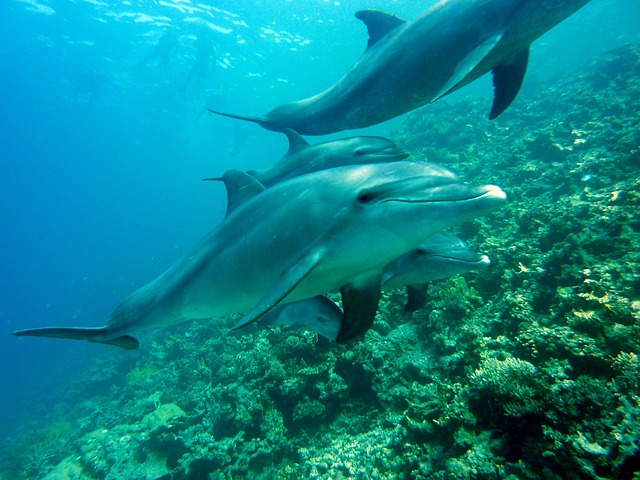
Environmental impact can also be drastically reduced in the area of energy supply. The use of internal combustion engines and diesel generators in quiet anchorages not only produces exhaust fumes but also underwater noise in the frequency range of 100 Hz to 5 kHz. This noise directly interferes with the communication and navigation frequencies of marine life such as dolphins. Modern charter yachts counteract this: Through the use of solar panels and smart lithium-ion battery systems, onboard power for the refrigerator, lighting, and electronics can be generated silently and emission-free—ensuring maximum tranquility in nature and a fully sustainable cruise.
Environmental and marine protection while sailing
What sailors can specifically contribute to marine conservation
Avoid waste – especially plastic
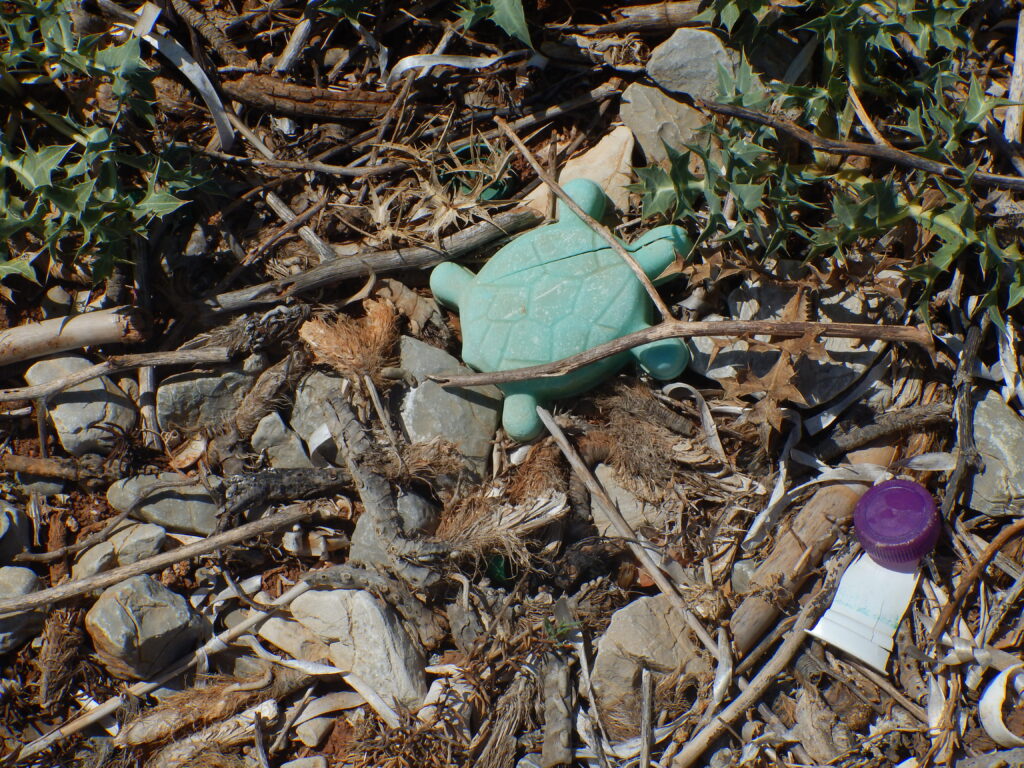
- Avoid single-use plastic on board: refillable drinking bottles, reusable storage boxes and shopping bags make all the difference. Garbage should never go overboard – not even supposedly “organic” items such as fruit scraps, which can disrupt the nutrient balance in sensitive coastal regions. Keep in mind that it takes about 450 years for plastic bottles to decompose.
Waste water and chemicals: conscious use and disposal
- Look out for biodegradable products when buying cleaning products, shampoos etc.!
Anchoring with consideration
- Do not anchor in seagrass beds or sensitive bottoms. These habitats are important refuges for juvenile fish and endangered species. Use buoy fields where available and find out about regional protected areas.
- Posidonia oceanica (Neptune grass) grows only about 1 cm per year. It takes decades for the seagrass to recover from damage caused by anchor chains.
Reduce engine running times and noise
- Not only emissions, but also noise can disturb marine life. Minimize the use of generators and outboard motors to the bare minimum – especially in quiet bays or at night. In the Nautic Alliance fleet, we have a large selection of yachts equipped with an intelligent battery storage system and solar panels, eliminating the need to use noisy generators at night.
Buy regional products
- Support local fishermen and markets instead of imported supermarket goods. Look for seasonal and sustainable products – this is not only more environmentally friendly, but also a culinary experience.
Raising children’s awareness of environmental protection – playfully and sustainably
Children also feel the fascination of the sea – and this is a wonderful opportunity.
Explaining to children at an early age why the sea needs protection fosters a deep awareness that will stay with them for the rest of their lives. It is important to do this in a child-friendly way, without overwhelming them, and with curiosity instead of pointing fingers.
Tip:
Many children love responsibility! Give them small tasks on board: e.g. “garbage officer” or “seagrass meadow scout” – this raises awareness in a playful and fun way.
Beach treasure hunt with added value
Instead of just looking for shells, you also collect garbage. Whoever makes the biggest “find” wins – and incidentally learns how much garbage can be found even in remote places.
Get to know marine creatures
Children’s books, apps or simple identification cards can be used to identify fish, mussels and seabirds. This not only promotes knowledge of species, but also respect for diversity.
“Why is that floating there?”
Use observations (plastic bottles, oil film, jellyfish) as a conversation starter, in a child-friendly and honest way. Children are often more attentive observers than adults.
Be a role model
Children imitate the behavior of adults. Those who consistently avoid waste, shop sustainably and anchor with consideration convey values – without a lot of words.
Sea quiz on board
Expand your knowledge with simple questions – e.g. “What does a sea turtle eat?”, “How long does a plastic bottle take to decompose?” or “How do you recognize a sea grass meadow?”.
Telling stories instead of lecturing
Children learn by imitation. Show them to separate waste, save water and buy sustainably – without a lot of words.
Together for clean oceans
Environmental awareness can also be combined with enjoyment and comfort on a sailing vacation. Those who pay attention to sustainability when choosing sailing areas, on-board routines and shopping will experience the sea more intensively – and leave fewer traces behind.
A respectful approach to nature and the environment is not only an expression of mindfulness, but also a sign of real quality on vacation. As a charter guest, you can set a good example – and show that responsible travel and unforgettable experiences go hand in hand.
Tips for a sustainable start to your cruise
- Bring small garbage tongs or a collection bag for walks on the beach.
- Take biodegradable cleaning products and sunscreen without microplastics with you.
- Choose ports and charter providers – like the members of the Nautic Alliance – that are committed to sustainability!
O More Mati
Keep the sea clean!
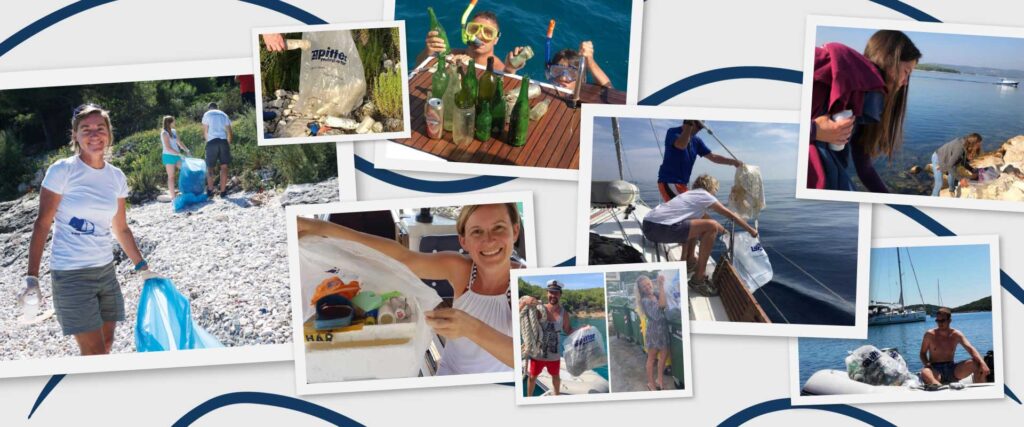
Through the beach cleaning campaign “O More Mati” initiated by Pitter Yachtcharter, our charter guests actively contribute to removing washed-up garbage from the beaches and bays of Croatia.

Clean up beaches and win a charter week!
Since 2014, Pitter Yachtcharter has been calling on charter guests to remove garbage from bays and beaches in Croatia. A simple, meaningful activity for young and old – with a positive effect on our environment and the chance to win a great prize!
Sailing in conjunction with environmental protection does not mean sacrifice, but enrichment.
Nautic Alliance
The beauty of the sea becomes all the more precious when we understand how fragile it is – and what we can all do to help preserve it.
FAQ
Environmental and marine protection while sailing
The oceans cover more than 70% of the Earth’s surface and produce more than half of our oxygen. Since water sports enthusiasts operate directly within this sensitive ecosystem, they bear a special responsibility: anchor chains, wastewater, noise, and plastic waste pose a direct threat to protected species and coastal regions right there on the ground.
Waste Reduction: Replace single-use plastics with reusable bottles and dispose of trash (including organic waste) on land.
Anchoring Responsibly: Anchor only in sand or at bay buoys to protect Posidonia seagrass beds.
Environmentally Friendly Chemicals: Use biodegradable dish soap and sunscreen-free filters.
Reduce Emissions: Replace generator runtime in bays with solar panels and batteries.
Every little step counts. If you spot trash in the water, bring it on board and dispose of it properly. Even if it’s just a small contribution, it helps keep the oceans clean. Sailors can also participate in regional cleanup initiatives—such as the “O More Mati” campaign by Pitter Yachtcharter in Croatia, where collecting trash in bays is rewarded with chances to win prizes.
Modern charter yachts use solar panels and smart battery storage systems to provide a quiet, emission-free power supply. In addition, holding tanks ensure that wastewater is disposed of only in the open sea or at pumping stations in the harbor.
Playful activities raise awareness without being preachy:
Assign roles: Involve children as “litter ambassadors” or “seaweed scouts.”
Beach Cleanup: Combine a walk on the beach with a litter cleanup (beach cleanup).
Sharing knowledge: Asking quiz questions (e.g. , “It takes up to 450 years for a plastic bottle to break down in the ocean”).
In popular sailing destinations such as Croatia, Greece, and Italy, there is a strict ban on discharging sewage near the coast. In Croatia, the coast guard requires the use of black water tanks; discharge is permitted only at a distance of at least 3 nautical miles from the coast or at select marinas equipped with vacuum systems. Violations are punishable by fines of up to several thousand euros.
Posidonia oceanica (Neptune grass) grows extremely slowly—only about 1 cm per year —and is the Mediterranean’s most important source of oxygen and carbon sink. Uprooting it with heavy anchor chains destroys habitats that take several decades to regenerate. In protected areas (e.g., the Balearic Islands or parts of Croatia), anchoring in seagrass beds is prohibited by law and strictly enforced.
Internal combustion engines and generators produce underwater sound in the frequency range of 100 Hz to 5 kHz. This range directly overlaps with the navigation and communication frequencies of dolphins and fish. Avoiding unnecessary engine operation in bays protects marine life from acoustic stress and disorientation.
Decomposition times in seawater vary greatly: While a paper napkin takes about 2 to 4 weeks to decompose, an apple core can take up to 2 months (and alters the local nutrient balance). A PET plastic bottle takes about 450 years to decompose, and a monofilament fishing line can take up to 600 years, during which time they gradually break down into harmful microplastics.
Conventional sunscreens contain chemical UV filters such as oxybenzone (benzophenone-3) or octinoxate, which can trigger coral bleaching even at low concentrations and damage the genetic material of fish larvae. We recommend mineral-based sunscreens certified to the “Reef Friendly” standard that contain zinc oxide or titanium dioxide particles (without nanoparticles).


